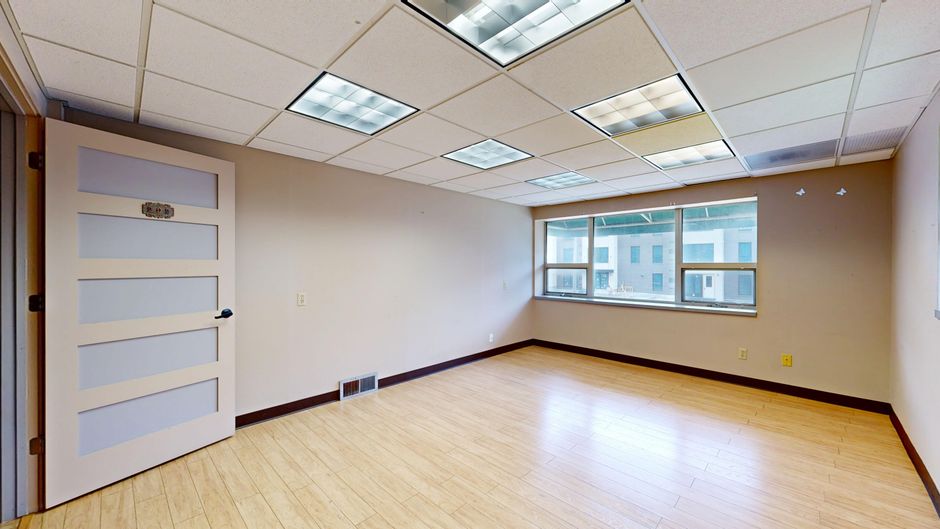
Landlord requires insurance — you just got the lease, and there it is in black and white. Don’t panic. This is one of the most common requirements in commercial leasing. Nearly every commercial landlord in the U.S. asks tenants for proof of liability coverage before handing over the keys. It protects them, it protects you, and it is usually cheaper than you think. Below is the step-by-step path to getting it done fast and getting back to running your business.
Where You Stand: Landlord Requires Insurance
When a landlord requires insurance in a commercial lease, it is not a suggestion. It is a binding contract term. If you sign the lease and fail to carry the required coverage, you are in breach — and in many jurisdictions, that breach is considered “incurable,” meaning the landlord can begin eviction proceedings without giving you a chance to fix it.
There is no single federal or state law that forces landlords to demand tenant insurance. However, the landlord’s own mortgage lender and property insurer almost always require it. As a result, the requirement flows down to you. In most cases, the lease will spell out exact minimum limits, the type of policy, and a deadline for delivering proof of coverage.
The cost varies by your trade and your state. Here are median annual premiums for a standard $1M/$2M CGL policy in 2026:
| Business Type | Median Monthly Premium | Median Annual Premium |
|---|---|---|
| Office / Consultant | $35/month | $420/year |
| Hair or Nail Salon | $42/month | $504/year |
| Retail Store | $66/month | $792/year |
| Restaurant (no bar) | $91/month | $1,092/year |
| General Contractor | $192/month | $2,304/year |
Those numbers come from industry aggregators and insurer filings. Your actual quote depends on your revenue, claims history, square footage, and state. However, the table gives you a realistic starting point so nobody catches you off guard.
What to Do First (Step by Step)
Step 1: Read the insurance clause in your lease — word for word. Look for the required coverage type (usually “commercial general liability”), the minimum limits (typically $1M per occurrence / $2M aggregate), and whether the landlord requires insurance that names them as an “additional insured.” Also check if a Business Owner’s Policy (BOP) is acceptable, since a BOP bundles liability and property coverage and often costs less than buying them separately.
Step 2: Get quotes from at least three licensed agents. Your state’s Department of Insurance website lists licensed agents and brokers. The NAIC State Insurance Department directory links to every state regulator. Tell each agent the exact lease language so they match the coverage precisely. Ask about the additional-insured endorsement — typically ISO form CG 20 11 — because your landlord will almost certainly require it.
Step 3: Bind the policy and deliver the Certificate of Insurance. Once you pick a policy, your agent issues a COI that shows the landlord’s name, the coverage limits, and the policy dates. Send it directly to whoever the lease names — usually the landlord or their property manager. Keep a copy for your records. Your insurer will automatically notify the landlord if your policy ever lapses, so do not let payments slip.
What It Will Cost and What to Watch For
For most small businesses, the cost when a landlord requires insurance is manageable. A basic CGL policy with $1M/$2M limits runs roughly $30–$100 per month. A BOP that bundles general liability with commercial property coverage averages about $57 per month. If your landlord requires insurance with higher limits — say $2M per occurrence — expect to pay 30–50% more.
Watch for these common traps. First, don’t confuse “additional insured” with “loss payee.” Additional insured gives the landlord liability protection; loss payee directs property-damage payouts to them. Your lease may require both. Second, some landlords slip in a “waiver of subrogation” clause. This means your insurer gives up the right to sue the landlord after paying a claim.
It is standard but can raise your premium slightly — ask your agent. Third, never let coverage lapse. Even a one-day gap can trigger lease termination in states like New York, where courts treat insurance non-compliance as a material and incurable breach.
If your business serves alcohol, does construction work, or handles hazardous materials, your landlord requires insurance limits that are often higher than the standard $1M/$2M. For example, a restaurant with a liquor license may need a separate liquor liability endorsement. A contractor may need to show proof of workers’ compensation on top of CGL. Always match the policy to the lease language — not to a generic quote.
When Your Landlord Requires Insurance Beyond Standard Limits
Sometimes the lease asks for $5 million or even $10 million in total liability coverage. That does not mean you need a $5M base policy. In most cases, you buy a standard $1M/$2M CGL policy and then add a commercial umbrella policy on top. Umbrella policies are surprisingly affordable — typically $40–$75 per month for an extra $1M–$2M of coverage for low-risk businesses.
If the landlord requires insurance amounts that seem extreme for your trade, push back politely. Ask the property manager why those limits are needed and whether they would accept a lower threshold with an umbrella. For example, a solo graphic designer in a shared office building rarely needs $5M in coverage. A licensed agent can help you negotiate language the landlord will accept.
📨 Get Free Business Insurance Guides Alerts
Free · No spam · Unsubscribe anytime
When to Call Your Agent or an Attorney
Call your insurance agent when you first receive the lease — before you sign. An experienced commercial agent reads these clauses daily and can flag unusual demands. They can also help you bundle coverage to save money. If the landlord requires insurance with terms your agent has never seen, that is a red flag worth investigating.
Call a commercial real estate attorney if the lease requires you to indemnify the landlord for their own negligence, or if the insurance clause is vague enough that you cannot determine exactly what coverage to buy. Typically, an attorney review of a commercial lease costs $500–$1,500. That one-time expense can save you thousands if a poorly worded clause leaves you holding the bag for the landlord’s mistakes.
You can also call your state’s Department of Insurance consumer hotline for free guidance. They will not sell you a policy, but they can confirm whether a requested coverage type exists in your state and whether the insurer your agent recommends is licensed and financially sound. The SBA’s business insurance guide is another neutral starting point.
Frequently Asked Questions
Can a landlord legally require me to have liability insurance?
Yes. When a landlord requires insurance as a lease condition, it is a standard and enforceable contract term across all 50 states. There is no state that prohibits a commercial landlord from requiring tenant liability coverage. Refusing to carry it is a breach of your lease.
What happens if I let my policy lapse after signing the lease?
Your insurer notifies the landlord automatically. In many jurisdictions, an insurance lapse is treated as a material breach. As a result, the landlord may begin eviction proceedings — sometimes without a cure period. Keep your premium payments current and set up autopay if possible.
Does my landlord’s insurance cover me?
No. The landlord’s policy covers the building and the landlord’s liability — not yours. If a customer slips in your leased space, your business is responsible. That is exactly why the landlord requires insurance from every tenant. You need your own CGL policy to cover claims arising from your operations.
Compare Quotes for Your Business
What you pay depends on your trade, your state, your revenue, and your claims history. The only way to know your real price is to compare several quotes side by side.
Find Your State’s Insurance Rules →
Sources & How to Verify
The information on this page is drawn from official government and industry sources. Insurance requirements, premiums, and state rules change, so always confirm the exact figure with your state, a licensed agent, or the authority source.
- U.S. Small Business Administration: sba.gov — federal small-business insurance guidance
- Insurance Information Institute: iii.org — neutral premium and coverage data
- NAIC: naic.org — state insurance regulation data
- U.S. Department of Labor: dol.gov — workers’ compensation overview
- Your state DOI, workers’ comp board, and contractor-licensing board: search “[your state] department of insurance” or “[your state] workers comp” for the exact law and forms
Content last reviewed June 2026. If you notice outdated information, please contact us.
Related Guides
- Business Insurance by State (All 51 Jurisdictions)
- More in This Category
- Insurance by Profession
- Coverage Types Explained
- Comparison Guides
- Business Insurance Glossary
Informational only — not insurance, legal, or tax advice. Business Insure Guide is an independent educational resource, not an insurance company, broker, law firm, or tax advisor, and this page does not provide insurance, legal, or tax advice. Requirements, premiums, and rules vary by trade, state, and insurer, and change over time. Always confirm the exact coverage, requirement, and price with a licensed insurance agent and your state before you buy. Verify with a licensed professional for advice about your specific situation.